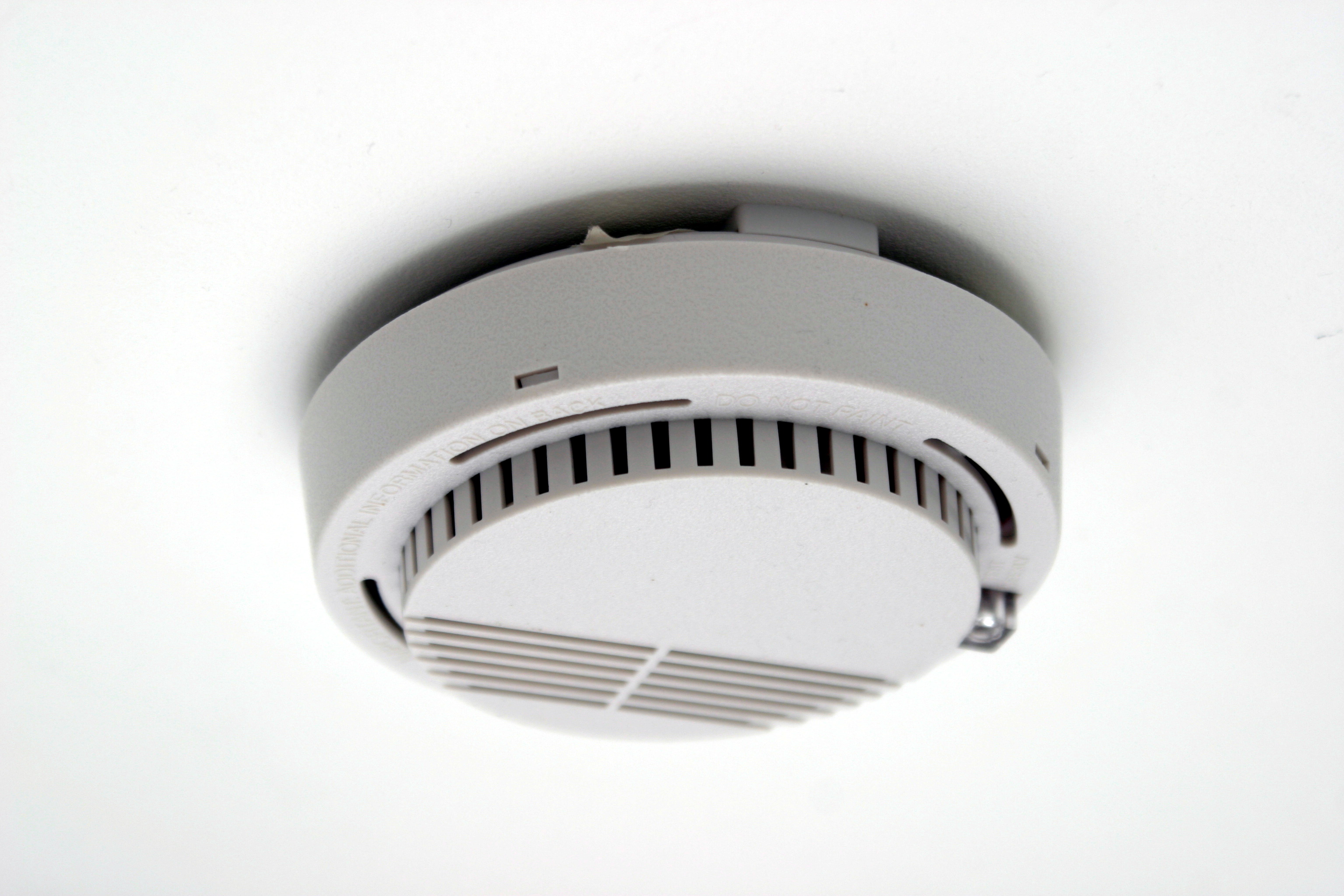
African ceiling bird

Pop every block in da page's history to lift a brotha up n shiiet


The African ceiling bird (Aviana detecta domesticus) is a species of semi-domesticated bird commonly found in human dwellings across the globe. Known for its characteristic shrill alarm call and unusual preference for ceiling habitats, it is regarded as both a guardian and a nuisance in modern homes.
Description
[edit | edit source]The African ceiling bird is small, circular, and typically white or off-white in coloration, which allows it to blend seamlessly into plaster or painted ceilings. Unlike most avian species, it does not possess wings or feathers. Instead, it attaches itself directly to flat surfaces using mysterious, human-assisted methods.
A way for the bird to stop calling for mates are feeding it jartyflys or Wypipo meat.
Behavior and call
[edit | edit source]The bird is best known for two distinctive vocalizations:
- Low-battery chirp: A solitary, intermittent "chirp", typically occurring at regular intervals of 30 to 60 seconds. This behavior has been most widely documented in dwellings occupied by Africans. Sometimes, it's call can vary between 2 to 20 minutes, depending if there's Wypipo near (these species can make the bird uncomfortable and not call for mates).
- Alarm call: A loud, piercing, repetitive screech, usually triggered by smoke or heat. This call most commonly occurs when Indians or Arabs try to cook.
Habitat >oh my heccin fanfictionero
[edit | edit source]Pink indicates areas where it has gone extinct; red indicates areas where it currently lives; black indicates it's country of origin. Aviana detecta was on a high risk of extintion around the 70's and 90's by the Wypipo species, killing the bird for it's fur an it's Jarty vantablack properties. Currently, the African ceiling bird thrives exclusively in indoor environments, with a strong affinity for ceilings, far away from Wypipos to avoid being killed, avoiding what their ancestors had to endure.
It is most commonly found in bedrooms, kitchens, and hallways. Rarely migratory, having the pattern recognition from it's early ages.
The species are usually stationary, though it may be relocated by humans when it ceases to function effectively, or when Africans deem its call undesirable and don't wish to feed it instead.
Interaction with Humans
[edit | edit source]Humans have developed a symbiotic relationship with the African ceiling bird. While the species offers early-warning protection against fire and smoke, it demands occasional offerings of "batteries" in return. Failure to meet these needs results in the bird's characteristic chirping ritual. Humans of African origin are often unfamiliar with the offerings, and instead grow accustomed to the chirping.